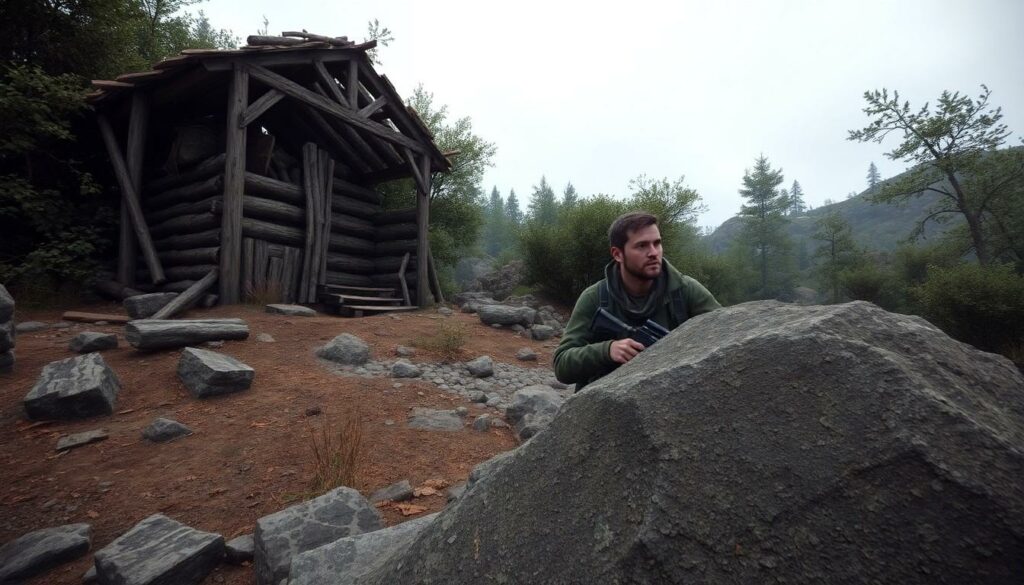
In the chaotic world of Rust, survival isn’t just a game; it’s a way of life. Players dive headfirst into a brutal landscape filled with hostile foes, treacherous terrain, and the constant threat of hunger. It’s a thrilling blend of strategy, resource management, and good old-fashioned mayhem. Whether crafting a makeshift shelter or raiding a rival’s base, every decision counts, and every encounter can lead to glory or disaster.
Overview of Rust Player
Rust players engage in a harsh survival environment filled with unique challenges. The need for strategy and resource management predominates gameplay. Players start with minimal tools and must gather resources from the world around them. Building shelters becomes crucial for protection against both the elements and other players.
Communication plays a vital role in Rust. Forming alliances can significantly enhance survival chances. Alternatively, betrayal can lead to chaos among players, emphasizing the game’s intense social dynamics. Players often face the constant threat of raids, which require quick decision-making regarding defense tactics.
The crafting system in Rust supports player creativity. Various items can be crafted to assist with survival, ranging from weapons to clothing. Players unlock increasingly advanced blueprints as they progress, leading to more sophisticated equipment choices.
Gameplay encourages exploration and experimentation. Sections of the map feature different biomes, each with unique resources and threats. Understanding these environments helps players adapt their strategies.
Combat mechanics add another layer of complexity. Engaging in fights against other players requires skill, timing, and effective weapon choices. Every encounter influences a player’s overall success in Rust.
Overall, the immersive experience keeps players engaged. Constantly evolving challenges and interactions ensure that no two gameplay sessions feel alike. In Rust, players navigate an unforgiving world, where every choice can drastically alter their fate.
Features of Rust Player

Rust Player emphasizes various features that enhance the gaming experience. Players encounter unique gameplay mechanics and character customization options, contributing to overall engagement.
Gameplay Mechanics
Innovative gameplay mechanics define Rust. Players gather resources from their surroundings, creating structures for safety and survival. Crafting items like weapons or tools isn’t just beneficial; it’s essential for progression. Every combat encounter demands quick reflexes and strategic thinking. Players often face environmental hazards alongside hostile entities, adding layers of complexity to the survival experience. Continuous exploration reveals new biomes, each with distinct resources and challenges. Adaptability is crucial, as changing situations require thoughtful decision-making that can influence survival.
Character Customization
Character customization allows for individual expression in Rust. Players can select various clothing items and gear for personal style and protection. Different armor types offer unique benefits, impacting gameplay strategy. Customization options expand as players unlock blueprints through gameplay progress. Choices regarding character features can significantly affect interactions with others in the game. Personalizing appearances enhances immersion in the survival journey. Players appreciate the ability to craft their unique avatars, making each character feel distinct in the ruthless environment of Rust.
Community and Multiplayer Aspects
In Rust, community interactions and multiplayer elements significantly enhance the gaming experience. Players engage in a variety of social dynamics, shaping their survivability.
Player Interaction
Player interaction forms the backbone of Rust’s community. Communication through voice chat and other messaging systems fosters relationships among users. Forming alliances can lead to crucial support during raids or resource gathering. Betrayal, however, alters dynamics swiftly, leading to unexpected conflicts. Each encounter offers a chance to negotiate peace or engage in combat, making the social landscape rich and unpredictable. Players encounter others in diverse situations, from friendly trades to hostile confrontations. Survival often hinges on building trust, showcasing the game’s reliance on social strategies.
Team Dynamics
Team dynamics are essential for success in Rust. Players with complementary skills often create stronger teams. Diverse roles can include builders, gatherers, and fighters, each contributing uniquely to the group’s survival. Coordinated efforts in raids improve efficiency, ensuring resource acquisition. Strategies may vary significantly; for instance, some prefer stealth while others engage in direct conflict. Groups can create shared bases for safety and resource management. Navigating interpersonal relationships within a team can either enhance unity or breed distrust, emphasizing the importance of teamwork in a chaotic environment.
Performance and Compatibility
The performance of Rust significantly influences its playability on various systems. Players notice that high-end hardware is optimal for a smoother experience, especially in areas with dense player activity. AMD and NVIDIA graphics cards offer better frame rates, ensuring fluid gameplay even during intense raids.
Compatibility spans multiple platforms. Although Rust primarily operates on PC, its robust support for different operating systems enhances accessibility. Windows users generally experience seamless performance, while those on Linux also enjoy the game, albeit with minor tweaks needed for optimal settings. The macOS version, however, often lacks some features compared to its Windows counterpart.
System requirements play a crucial role in ensuring an enjoyable experience. Players aiming for a solid performance should consider the following specifications:
| Requirement | Minimum | Recommended |
|---|---|---|
| OS | Windows 7 64-bit | Windows 10 64-bit |
| Processor | Intel Core i5-2300 | Intel Core i7-2770 |
| RAM | 8 GB | 16 GB |
| GPU | NVIDIA GTX 660 / AMD Radeon HD 7870 | NVIDIA GTX 980 / AMD Radeon R9 390 |
| DirectX | Version 11 | Version 12 |
Optimizing settings improves performance further, especially in graphical options. Lowering textures and shadow quality can create a significant frame rate increase. Players often experience noticeable performance gains by disabling unnecessary visual effects.
Frequent updates from the developers ensure ongoing improvements in compatibility and performance. Players appreciate that each patch targets stability, resolving issues related to crashes or lag. Ensuring the game runs smoothly, players also benefit from community feedback that influences development priorities and enhancements.
Conclusion
Rust offers a unique blend of survival mechanics and social dynamics that keeps players on their toes. The constant need for strategy and quick decision-making creates an exhilarating experience where every action counts. Players must adapt to the ever-changing environment and forge alliances while being wary of betrayal.
The game’s crafting system and character customization provide depth and encourage creativity, allowing players to tailor their experience. As they explore different biomes and face various challenges, the thrill of survival becomes a driving force.
With ongoing updates and a dedicated community, Rust continues to evolve, ensuring that players remain engaged in this unforgiving world. Each session promises new adventures and unexpected encounters, making it a must-play for fans of survival games.