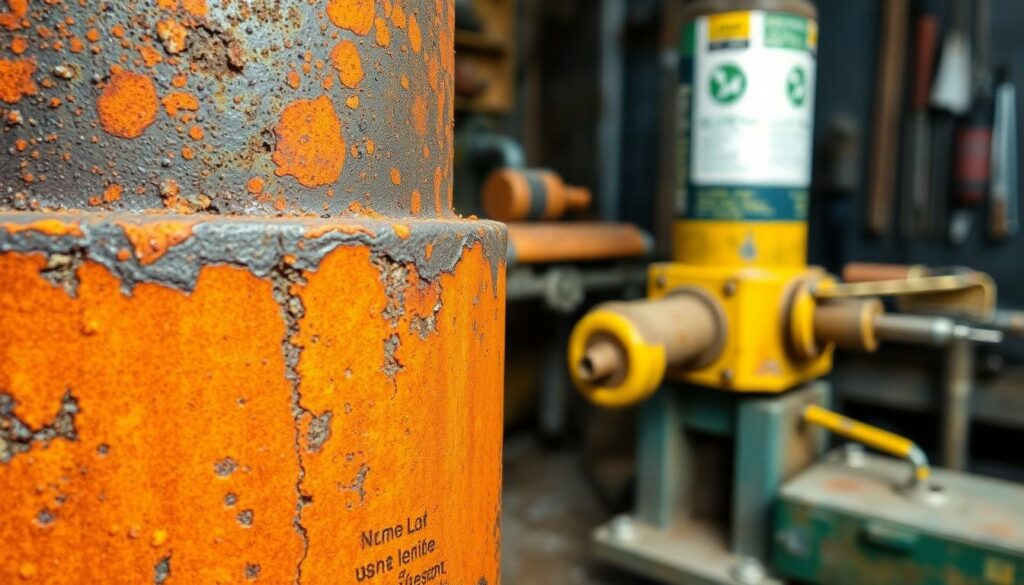
Rust might sound like that pesky orange stuff on your bike, but it’s so much more than just a metal’s worst nightmare. In fact, it’s a programming language that’s taken the tech world by storm. With its promise of safety and speed, Rust has developers buzzing like bees around a blooming flower. But just how big is this rising star in the coding universe?
From powering critical systems to enabling efficient web applications, Rust is making waves in various areas of software development. It’s not just another trend; it’s a game changer. So, buckle up as we dive into the fascinating world of Rust, exploring its size, impact, and why it might just be the secret sauce your next project needs.
Understanding Rust’s Size
Rust, as a programming language, features a compact standard library and toolchain. The core compiler, rustc, is around 10 MB. The standard library spans approximately 5 MB in size. Smaller libraries often enhance Rust applications, promoting a modular approach to development.
Rust has emerged as an efficient choice for performance-sensitive projects. Most developers recognize its speed, often comparable to C and C++. This capability makes Rust suitable for systems programming, web assembly frameworks, and game engines.
The growing ecosystem of Cargo, Rust’s package manager, facilitates dependency management and project configuration. The average size of compiled Rust binaries varies by project. Typically, these binaries range from a few hundred kilobytes to several megabytes depending on the complexity of the application.
When comparing Rust to other programming languages, such as Python or Java, Rust tends to generate smaller, more efficient executable files. This efficiency stems from its focus on zero-cost abstractions and optimized memory usage.
Performance metrics demonstrate Rust’s ability to manage memory without a garbage collector. This trait reduces runtime overhead, allowing programs to execute faster. Many developers appreciate the predictable performance characteristics of Rust-based systems.
Rust’s size, both in terms of standard library and generated binaries, contributes to its reputation as a powerful yet lightweight programming option. Efficient applications often arise from leveraging Rust’s capabilities, allowing developers to create robust solutions in various domains.
Factors Influencing Rust Size

Multiple factors contribute to the overall size of Rust, impacting its effectiveness and use cases. Understanding these influences can help in optimizing projects that utilize this programming language.
Environmental Conditions
Rust’s size varies significantly based on environmental conditions. Humidity impacts the rate of corrosion; higher humidity accelerates rust formation. Exposure to saltwater environments greatly increases rust size, as the ionic compounds enhance electrical conductivity. Temperature fluctuations also play a role; warmer temperatures tend to promote faster oxidation. Additionally, pollutants in the air can accelerate rusting, leading to larger patches over time. These factors collectively influence how quickly and extensively rust forms, affecting the overall integrity of metal structures.
Material Composition
Material composition directly affects rust size and its formation rate. Different metals show varying susceptibility to rust; for instance, iron oxidizes more quickly than stainless steel. Alloys with chromium resist rust formation better, leading to smaller rust areas. Surface treatments like galvanization further protect materials, minimizing rust size. The presence of impurities also influences this process, with lower-quality metal being more prone to rusting. Thus, the choice of material significantly impacts both the speed and extent of rust development.
Measuring Rust: Methods and Techniques
Measuring rust involves a combination of visual inspections and quantitative assessments. Various methods yield insights into the extent of corrosion.
Visual Assessment
Visual assessments provide immediate insights into rust development on metal surfaces. Observers examine the color changes, texture variations, and scaling to gauge the presence and severity of rust. It’s possible to categorize rust into stages, from light discoloration to severe pitting. Utilizing tools such as magnifying glasses or borescopes can enhance accuracy in identifying deterioration. Regular inspections promote early detection, allowing for timely remediation and reducing damage.
Weight and Volume Measurements
Weight and volume measurements offer a quantitative approach to assessing rust. Measuring the mass of corroded samples before and after exposure to corrosive environments helps determine the weight loss due to rust formation. This analysis provides a precise indication of the extent of corrosion. Additionally, calculating the volume of rust relative to the original metal can highlight degradation levels. Such measurements enable engineers to evaluate material performance over time and inform decisions about maintenance and replacement.
Implications of Rust Size
Rust’s size significantly impacts both its performance in programming and its effects on metal structures through corrosion. Understanding these implications is crucial for effective applications.
Structural Integrity
Rust can compromise the structural integrity of metal objects. When it forms on iron, for instance, it expands and creates stress on the surrounding material. As a result, weak points develop, leading to potential failures in structural components. Different metals have variable resistance to rust. Stainless steel, for example, shows enhanced durability compared to untreated iron. Besides, routine inspections and monitoring are essential to ensure the long-term reliability of structures affected by rust. Engineers can prevent catastrophic failures by evaluating rust levels and addressing them proactively.
Maintenance and Repair
Effective maintenance strategies minimize rust-related damage. Regular cleaning removes contaminants that accelerate corrosion. Protective coatings can also prolong the life of metal components by creating barriers against moisture. Addressing rust early significantly reduces repair costs. Tools for measuring rust extent help determine when maintenance should occur. Implementing an inspection schedule promotes timely interventions, extending the lifespan of affected structures and materials. Repair options, such as sandblasting or rust converters, are effective ways to reverse damage. Utilizing these approaches leads to safer environments and improved efficiency.
Conclusion
Rust stands out as a powerful programming language with a compact size that enhances its performance. Its efficient memory management and optimized executable files make it an ideal choice for various applications. The considerations surrounding rust in metal corrosion emphasize the importance of understanding environmental factors and material properties.
By recognizing the implications of rust on both software development and structural integrity, developers and engineers can make informed decisions that ensure safety and efficiency. Regular maintenance and timely interventions are crucial for mitigating rust-related issues, whether in programming or in physical structures. Embracing these insights can lead to more resilient systems and lasting solutions.