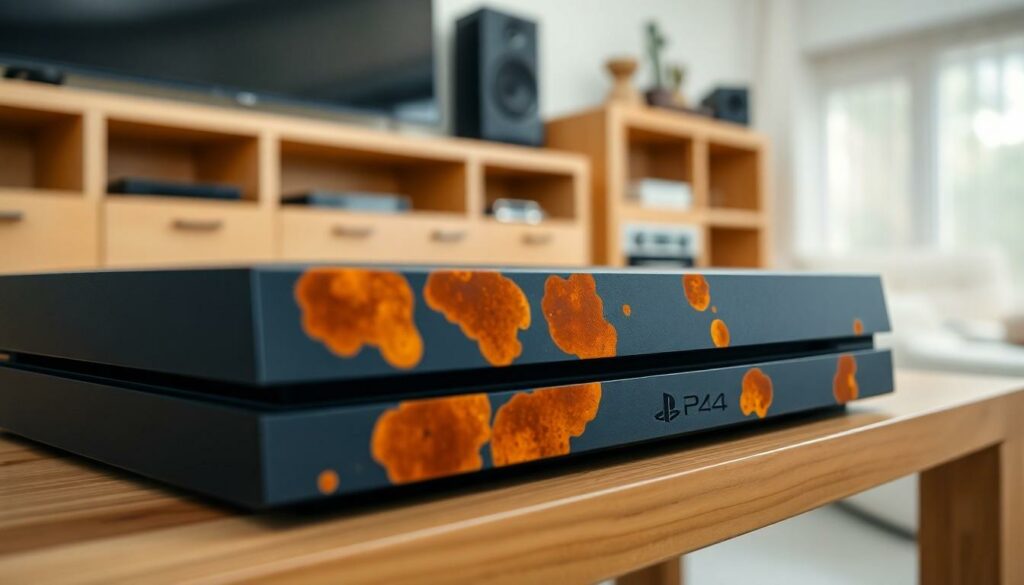
For gamers, the PlayStation 4 is a trusty companion, but what happens when it starts to rust? Yes, you read that right—rust! While it may sound like a plot twist from a bad sci-fi movie, this issue can sneak up on even the most vigilant players. Imagine logging in for a marathon gaming session only to find your console looking like it just returned from a beach vacation, covered in corrosion.
Overview of Rust on PS4
Rust on PS4 manifests as an unexpected and concerning issue for gamers. Corrosion typically occurs due to moisture accumulation inside the console. High humidity environments and improper storage conditions contribute significantly to this problem. Dust accumulation can also trap moisture, exacerbating the corrosion situation.
Symptoms of rust include visible orange or brown spots on the console’s metal components. Such discoloration not only affects the aesthetics of the device but can also harm its functionality. Gamers may experience performance issues, such as overheating or system failures, as rust spreads.
Prevention of rust starts with storing the console in a dry and cool environment. Utilizing silica gel packs can help absorb moisture when placed near the console. Regular cleaning of the PS4, including vents and external surfaces, keeps dust at bay.
If rust appears, addressing it swiftly is crucial. Gamers might carefully clean the corroded areas with a soft cloth and rubbing alcohol. However, extensive corrosion may require professional repair, as it can lead to hardware malfunctions.
Understanding the potential for rust and taking preventative measures ensures longevity and optimal performance of the PS4. Awareness of this issue helps gamers maintain their consoles in peak condition.
Causes of Rust on PS4

Rust on PS4 consoles often occurs due to a combination of environmental and internal factors. Identifying these causes helps in prevention and maintenance.
Environmental Factors
Humidity plays a significant role in rust formation. High humidity levels expose the console to excess moisture, facilitating corrosion on metal surfaces. Poor ventilation in storage areas exacerbates this issue, trapping moisture inside. Dust accumulation can also hold moisture against metal components, accelerating rust development. Maintaining a dry, cool environment for the console proves crucial in prevention. Implementing silica gel packs in storage can effectively absorb excess moisture, further minimizing risks.
Internal Components
Internal components of the PS4 are not immune to rust. Metal parts, such as the metal casing and screws, can corrode when exposed to humidity and dust. Poor airflow inside the console leads to heat buildup, which can cause moisture to condense. Electrical connections in a humid environment may suffer corrosion, potentially affecting device functionality. Regular maintenance and cleaning can help combat these issues. Checking for dust buildup and ensuring adequate airflow helps protect the internal components from moisture exposure.
Symptoms of Rust Damage
Rust damage on a PS4 manifest in identifiable ways that affect both appearance and performance.
Visual Indicators
Visible signs include orange or brown spots on metal components. These discolorations often appear on the exterior casing or around the ports. When rust develops, the surface may look dull or uneven. Additionally, pitting or flaking of the metal surface indicates more advanced corrosion. Observing these changes can signal underlying problems that may need immediate attention. A user should act quickly, as early signs can lead to more significant damage if left untreated.
Functional Issues
Performance issues may arise as rust progresses. Overheating often occurs due to restricted airflow from affected vents. Moreover, rust can lead to connectivity problems, causing controllers or peripherals not to function correctly. System crashes or unexpected shutdowns might also escalate from rust-damaged internal components. Monitoring these operational symptoms helps ensure that the console remains functional and reduces the risk of permanent damage.
Preventative Measures
Taking proactive steps can significantly reduce the risk of rust on PS4 consoles. Implementing the following methods promotes an optimal gaming environment.
Proper Storage
Store the PS4 in a dry and cool area to minimize exposure to moisture. Selecting a location with good airflow prevents humidity build-up. Use a dust cover while not in use to shield the console from dust accumulation. Avoid placing the console on carpet, as carpets can trap heat and increase humidity. Ensure the surface beneath the console allows for adequate ventilation, keeping temperatures down and airflow consistent.
Regular Maintenance
Regularly cleaning the PS4 is essential for preventing rust. Use a soft, dry cloth to wipe down the exterior, focusing on all metal components. Inspect the vents for dust, as dust can trap moisture and lead to rust. Consider using an air compressor cautiously to blow out accumulated dust. Checking the internal components every few months is wise, especially in humid environments. Replacing silica gel packs in the storage area can also help absorb excess moisture efficiently.
Conclusion
Rust on a PS4 console can be a frustrating and unexpected issue for gamers. By understanding the causes and symptoms of rust, players can take proactive steps to protect their devices. Proper storage in a dry environment and regular cleaning can significantly reduce the risk of corrosion.
If rust does appear, addressing it swiftly is crucial to prevent further damage. With a little care and attention, gamers can keep their consoles in excellent condition, ensuring many more hours of enjoyable gameplay. Taking these preventive measures not only safeguards the console’s performance but also extends its lifespan, allowing for countless gaming adventures ahead.